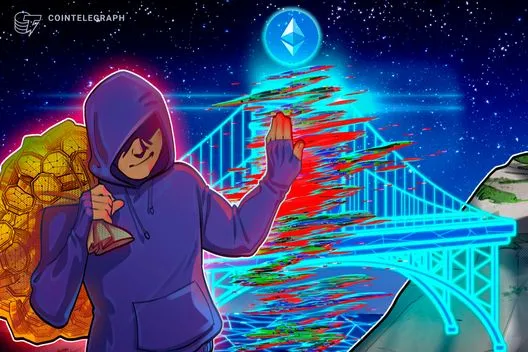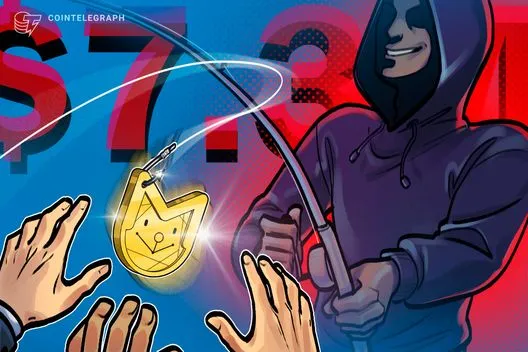
In a significant blow to the decentralized finance (DeFi) landscape, DxSale has reported a staggering $7.3 million exploit, affecting at least 1,400 liquidity providers on the BNB Chain. This breach not only highlights vulnerabilities within the DeFi ecosystem but also raises urgent questions about the security of older locker contracts that are meant to safeguard investors' assets.
The Attack Unraveled
The exploit, identified by blockchain data firm PeckShield, occurred when funds were siphoned off from DxSale, a platform known for launching memecoins. The perpetrator, operating under the address "0xC457," funneled approximately $1.87 million in BNB tokens into two primary wallets before dispersing them into multiple Binance deposit addresses. This organized effort reflects a growing trend of sophisticated attacks that plague the DeFi sector.
Historical Context and Vulnerabilities
Initially utilized in 2021 to secure liquidity for newly launched tokens, the locker contracts of DxSale appear to still retain liquidity from past projects, as analyzed by blockchain expert Tahax. The exploiter's wallet was reportedly newly created and funded through a transaction on the crypto exchange Bybit. Such revelations add to the mounting anxiety surrounding the safety of DeFi protocols, which have been marred by numerous hacks recently.
Broader Implications of DeFi Hacks
May has already seen roughly $52 million lost to DeFi-related hacks, a stark contrast to the staggering $634 million reported in April, which marked the sector's most significant breach since February 2025, according to data aggregator DefiLlama. Coupled with the increased utilization of artificial intelligence by malicious actors to exploit vulnerabilities, experts express grave concerns. Manuel Aráoz, founder of blockchain security platform OpenZeppelin, stated, "I now consider *all* of DeFi unsafe."
The Mechanics of the Breach
As the situation evolves, on-chain analysts warn that the stolen funds may soon become untraceable, with the attacker already executing complex maneuvers to obscure their identity. Evidence suggests that prior to the hack, ownership of the locker contract was stealthily transferred to a new wallet 269 days ago, leading to allegations of a deliberately installed backdoor. This backdoor, combined with a backdated lock mechanism, allowed the attacker to employ withdrawal loops and effectively drain the assets.
Impacts and Reactions
In light of the recent events, experts shared their insights on various channels, reiterating that the vulnerabilities present in older contracts necessitate a thorough examination and overhaul of security protocols across the DeFi landscape. As the proprietary nature of smart contracts often obfuscates financial transactions, securing investor funds remains central to restoring trust in the blockchain space.
Conclusion
With the total losses in the crypto industry due to exploits now exceeding $17 billion—$7.8 billion of which has been siphoned from DeFi protocols—callouts for enhanced security measures have never been more urgent. As the investigation into the DxSale exploit continues, stakeholders within the DeFi community must prioritize transparency and fortify their defenses against future cyber threats.
For ongoing updates and more detailed reporting, interested parties are encouraged to follow credible sources in blockchain journalism.
Source: Cointelegraph
Source: CoinTelegraph DeFi
More Recommended

Legend Halts Operations as DeFi Landscape Faces Un...

THORChain Launches Emergency Recovery Portal Follo...